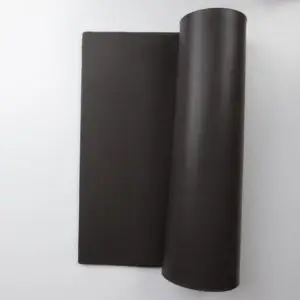
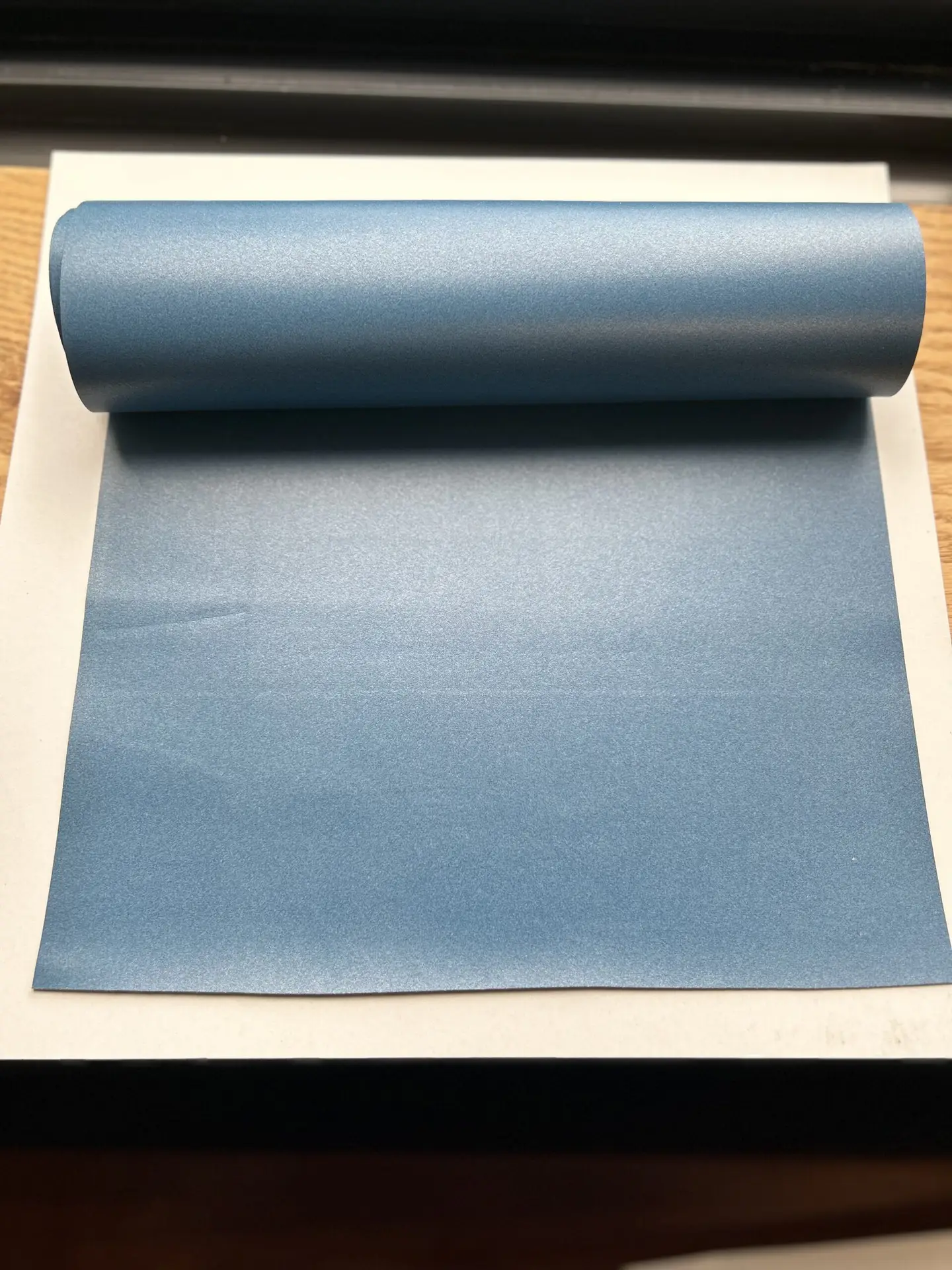
MIL-DTL-83528 Type B
CHO-SEAL 1285 alternative. SSP2368-65 is a 65-durometer silver-aluminum EMI shielding silicone. MIL-DTL-83528 Type B. QPL listed.
SSP has designed low outgassing conductive elastomers for space and high vacuum applications. Testing to ASTM595 via third-party labs available.
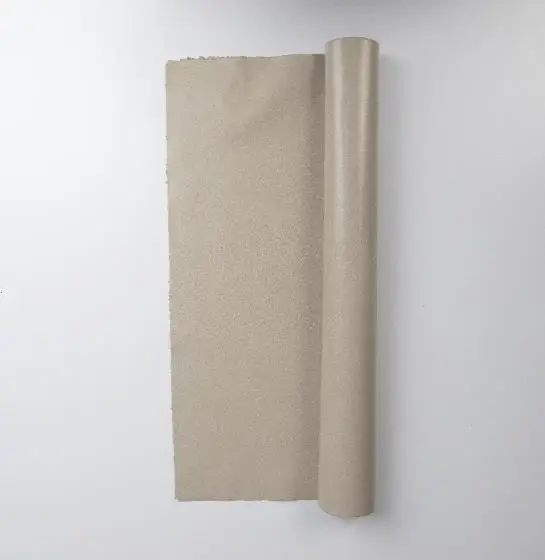
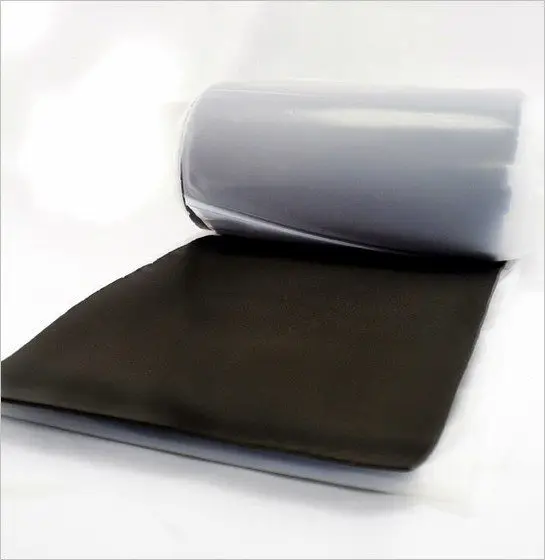
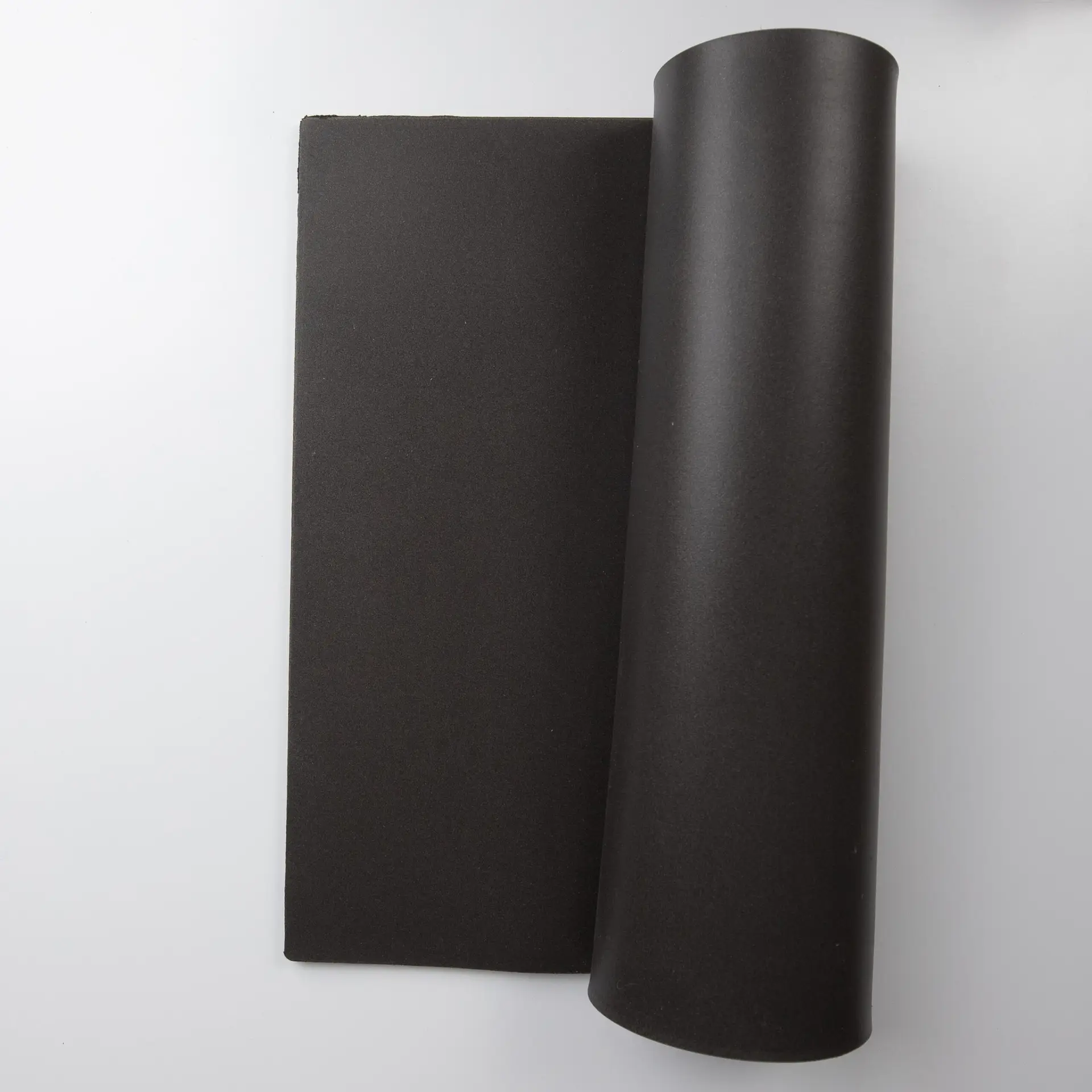
Choose sheets, rolls, moldable compounds, extrusions, EMI O-rings, or EMI gaskets.
SSP’s low outgassing EMI silicones meet ASTM E595 requirements. They include a QPL certified MIL-DTL-83528, Type B offset to CHO-SEAL 1285 and an offset to CHO-SEAL 6502. Low-outgassing flame retardant offsets to GORE GS2100 and GORE GS5200 are also available. In addition, there’s a nickel-graphite EMI shielding silicone for extreme low temperature environments and a silver-aluminum fluorosilicone.

CHO-SEAL 1285 alternative. SSP2368-65 is a 65-durometer silver-aluminum EMI shielding silicone. MIL-DTL-83528 Type B. QPL listed.

SSP2529 is a 68-durometer, nickel-aluminum EMI shielding silicone. Resists galvanic corrosion. MIL-DTL-83528 tested. Use instead of CHOSEAL 6502.

SSP502-40-V0 is a 40-durometer, nickel-graphite-filled EMI silicone with UL 94 V0 flame resistance. Use instead of GORE GS2100 EMI gaskets.

SSP502-55LT is a 55-durometer nickel-graphite filled EMI silicone with low outgassing for extreme low temperature environments.

SSP502-60-V0 is a 60-durometer, very conductive, nickel-graphite flame-retardant EMI silicone that conforms to UL-94 V0. Use instead of GORE GS5200.

SSP550-45 is a 45-durometer, electrically-conductive, silver-aluminum shielding fluorosilicone. Find out if this silicone compound is right for your specific EMI RFI shielding application.
ASTM E595 is a standard test method for total mass loss (TML) and collected volatile condensable materials (CVCM) from outgassing in a vacuum environment. Although the test itself does not specify maximum allowable limits, NASA has established requirements that are quoted and used. The most commonly quoted requirement is CVCM < 0.1% and TML < 1%. Because some water vapor (WVR) is regained after testing is complete, another (but less commonly quoted) requirement is CVCM < 0.1% and TML-WVR < 1%.
When volatile compounds evaporate, they usually condense upon something else. This causes surface contamination and, depending on the contaminated material, problems such as corrosion or fogging. With microelectronics, volatiles that condense may cause devices to malfunction or fail. With optics, fogging occurs. With satellites, the vacuum pressure of outer space draws-out volatiles so that they escape more readily than at atmospheric pressure. Because it’s difficult if not impossible to repair or replace electronics and optics in outer space, it’s critical to use low-outgassing materials in applications such as satellites.
SSP has access to silicone bases and polymers from a variety of producers. This allows us to formulate specialized materials that meet customer requirements not only for physical properties, but also for outgassing – or off-gassing, as it’s sometimes called. Today, SSP is working across different silicone chemistries to combine other desirable properties such as low temperature resistance or solvent and fuel resistance with low outgassing performance.
SSP also offers these other types of EMII/RFI shielding materials. We also fabricate EMI gaskets and EMI O-rings from the elastomers we make.
Low‑outgassing EMI materials are conductive elastomers formulated to release minimal volatile compounds when exposed to vacuum or elevated temperatures. They are engineered for environments where contamination control is critical, such as aerospace, satellites, optics, and cleanroom electronics.
In vacuum or sensitive optical systems, outgassed residues can condense on lenses, sensors, circuit boards, and thermal control surfaces. Low‑outgassing EMI elastomers help prevent contamination while still providing reliable shielding and environmental sealing.
Yes. Many SSP materials are formulated to meet or exceed NASA outgassing requirements (ASTM E595), including low Total Mass Loss (TML) and low Collected Volatile Condensable Materials (CVCM). SSP can provide test data upon request.
Absolutely. SSP’s low‑outgassing conductive elastomers maintain stable conductivity and shielding effectiveness across a wide frequency range while minimizing volatile emissions.
SSP offers low‑outgassing formulations with nickel‑graphite, silver‑aluminum, silver‑nickel, and other conductive fillers. Each filler system provides different levels of conductivity, corrosion resistance, and galvanic compatibility.
Yes. SSP supplies low‑outgassing EMI materials in both silicone and fluorosilicone. Fluorosilicone versions offer additional resistance to fuels, oils, and solvents while maintaining low‑outgassing performance.
These materials are commonly used in satellites, spacecraft, optical instruments, vacuum systems, cleanroom electronics, semiconductor equipment, and high‑reliability aerospace platforms.
Yes. SSP can tailor durometer, filler loading, thickness, and cure characteristics to meet specific electrical, mechanical, and outgassing requirements.